

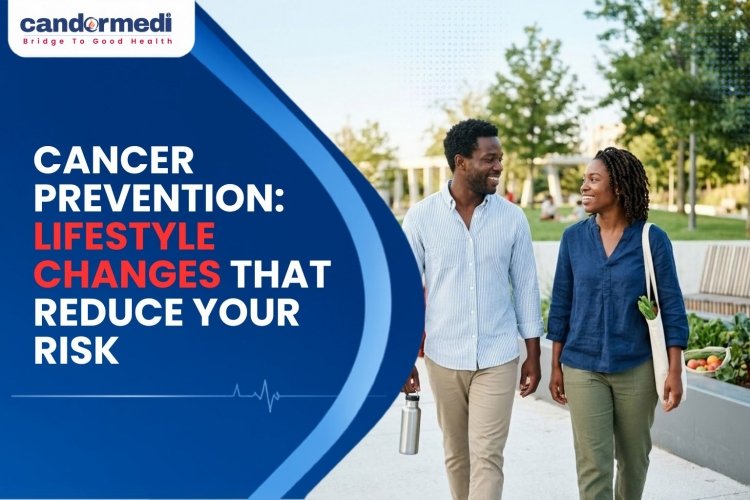
The process of cancer prevention does not initiate at the clinic; it starts from the choices we make in our lives on a daily basis. A high percentage of cancer cases are due to modifiable lifestyle behaviors that we can control. However, for too long, discussions around cancer have been largely treatment-oriented rather than preventive-oriented. This needs to change.
Experts agree that our choices about our lifestyles can impact our probability of developing cancer. Implement some of these lifestyle tips to avoid cancer.
1. Do not use tobacco.
The use of tobacco has been associated with many cancers. These include lung, mouth, throat, larynx, pancreas, bladder, cervical and kidney cancer. Exposure to second hand smoke may lead to an increased risk of developing lung cancer.
However, smoking is not the only dangerous practice. The chewing of tobacco has been associated with mouth, throat and pancreatic cancer.
It would be a great way to avoid cancer if you do not use tobacco. If you wish to give up the use of tobacco, you should consult a health care professional for methods that can help you to stop smoking.
2. Eat healthy foods
Eating healthy foods does not guarantee that cancer can be avoided. However, eating healthy foods may reduce the chances of getting cancer. You should aim at:
-
Eating plenty of vegetables and fruits: Fruits, vegetables and other plant-based foods, such as whole grains and beans, should form the base of your diet. Reduce the amount of high-calorie, high-fat foods and avoid sugar-laden foods.
-
Avoiding or moderating alcohol intake: Consumption of alcohol increases the risk of developing many cancers, such as breast cancer, colon cancer, lung cancer, kidney cancer and liver cancer. The risk of getting cancer rises the more one drinks.
-
Individuals who adopt the Mediterranean diet have reduced chances of developing breast cancer. The Mediterranean diet is comprised of predominantly plant-based foods, such as fruits and vegetables, whole grains, legumes and nuts. Individuals who follow the Mediterranean diet use healthy fats, like olive oil, instead of butter. In addition, they eat fish instead of red meat.
3. Maintain a healthy weight and exercise regularly
Maintaining a healthy weight could decrease the risk of certain cancers such as cancer of the breast, pancreas, liver, colon, and kidney.
Exercise, too, could reduce the risk of cancer independently of helping to maintain a healthy weight. Exercise decreases the risk of breast cancer and colon cancer.
Exercising for any length of time is beneficial for your body. However, for maximum benefits, try to accumulate at least 150 minutes weekly of moderate intensity aerobic exercises or 75 minutes weekly of vigorous intensity aerobic exercises.
4. Shield yourself from the sun
Cancer of the skin is a very common cancer and among those which are most preventable. Follow these guidelines:
-
Spend less time in the sun, especially during the hours of 10 a.m. and 4 p.m. when the sun is strongest.
-
Shelter yourself from the sun's rays. If you have to be outdoors, try to stay in the shade as much as possible. Wearing sunglasses and a wide brimmed hat is also recommended.
-
Cover up your skin. Clothing that covers most parts of your body should be worn. Wear a head covering as well as sunglasses.
-
Apply lots of sunscreen. Apply a sunscreen lotion which is broad spectrum with an SPF of at least 30. Even on days when the sun isn't out, apply generous amounts of sunscreen and reapply every two hours. Reapply more frequently when you go swimming or get sweaty.
-
Do not use tanning beds or sunlamps. They are equally harmful as the sun rays.
5. Get vaccinated
There are some vaccinations that will help reduce the risks associated with viral infections that may cause cancer. Discuss with your doctor about vaccination against the following infections:
Hepatitis B: The risk for getting liver cancer is higher because of hepatitis B infection. This type of infection is common in those who have multiple partners, individuals who are monogamous but their partners engage in sexual intercourse with several individuals, and individuals with sexually transmitted infections.
Individuals who inject illegal drugs, homosexual males, and health and public service professionals that are exposed to blood and body fluids of an infected individual are also at high risk.
Human Papilloma Virus (HPV): It is a sexually transmitted virus that can cause cervical cancer. It is also a causative agent of head and neck cancers. It can be used in vaccinating 9-year old children as well as adults who did not receive the vaccine when they were young.
6. Seek regular health checkups
Perform regular self-examinations. Screen yourself regularly for cancer such as skin cancer, colon cancer, cervical cancer, and breast cancer. This will increase your chances of detecting cancer at an early stage when there is a greater likelihood of effective treatment. Consult a health expert on how to screen for cancer.
How Importance it is to do Cancer Screening
Screening is an important part of cancer prevention in detecting issues before symptoms appear, which helps with treatment. It varies according to age, family history, and risks. Important screenings include:
-
Breast cancer mammograms: Once women turn 40, they have yearly mammograms to detect changes such as calcifications before a lump appears.
-
Colorectal cancer colonoscopy: Starting from the age of 45 every 10 years, it removes polyps which can develop into cancer.
-
Pap and HPV test for cervical cancer: It is conducted every 3-5 years and detects any virus that leads to abnormal cell development.
-
Lung low dose CT scan: For people aged 50-80 with a history of smoking, it is done annually to detect nodules.
-
Prostate PSA screening: This screening is recommended for men 50 years and above.
When to See Your Doctor?
In spite of good cancer prevention, your bodily symptoms should never be ignored. Consult your doctor for:
-
Unexplained weight loss or loss of appetite: When not due to stress or illness.
-
Persistent lumps, skin changes, or new moles: Use ABCDE rule— asymmetry, border irregularity, color variation, size bigger than a pencil eraser, changing.
-
Bloody discharge from your stool, urine, cough, or vaginal discharge: Do not ignore signs.
-
Persistent digestion problems, trouble swallowing, or hoarseness: Weeks of difficulties are a sign to visit.
-
Sweating at night, fever, or severe tiredness: Not because of any obvious infection.
Conclusion
To lower the risk of cancer, one can make use of food items that help fight cancer, exercise regularly, quit smoking, get regular check-ups and respond to any early signs of cancer promptly. It does not take too much effort to take steps to prevent cancer since these steps can fit into any busy schedule.
It is a good idea to consult a nutrition expert for meal planning, make an appointment with a check-up institution, and start leading a healthy life as soon as possible.